

PASSENGER SHIP SURVEY IN SPAIN
Independent marine surveys and technical inspections for passenger and cruise vessels at Spanish commercial ports.
VALENCIA Marine Services provides professional Passenger Ship Survey Spain services for shipowners, operators, managers, insurers, P&I interests, purchasers, and other maritime stakeholders who require independent technical inspection of passenger vessels.
Passenger ships combine complex hull structures, propulsion and machinery systems, passenger accommodation, public spaces, safety-related equipment, hotel services and extensive onboard systems, requiring a vessel-specific survey approach.
Each assignment is adapted to the vessel type, construction, operational profile, machinery configuration and the specific requirements of the appointing client.

TYPES OF PASSENGER SHIPS WE SURVEY
Survey attendance may be considered for suitable commercial passenger vessels including:
CRUISE SHIPS
Technical inspections of cruise vessels covering accessible structures, machinery, propulsion, passenger areas, technical spaces and reported defects or damage.
PASSENGER VESSELS
Independent surveys of vessels primarily designed for the carriage of passengers.
COASTAL AND SHORT-SEA PASSENGER VESSELS
Technical inspection of suitable commercial passenger vessels operating coastal or short-sea services.
Ferries and combined passenger/vehicle vessels are covered separately under:
RO-RO, FERRIES & RO-PAX VESSELS

PASSENGER SHIP MARINE SURVEY SERVICES
Depending on the purpose of the appointment, VALENCIA Marine Services can provide different marine survey services for passenger ships.
SHIP CONDITION SURVEY
Independent assessment of the apparent condition of accessible vessel structures, decks, machinery spaces, passenger areas and relevant equipment.
PRE-PURCHASE SHIP SURVEY
Technical inspection for prospective purchasers requiring an independent assessment of a passenger or cruise vessel before acquisition.
ON-HIRE / OFF-HIRE SURVEY
Independent documentation of vessel condition at delivery or redelivery where relevant to the vessel's commercial operation.
MARINE DAMAGE SURVEY
Independent technical inspection following collision, grounding, berth contact, heavy weather, machinery failure, structural damage or another reported marine casualty.
SHIP INSPECTION
Targeted technical inspection of a particular structure, machinery item, passenger area, defect, damaged component or repair.
BUNKER SURVEY
Independent measurement and calculation of bunker quantities and Remaining On Board where required.
PSC PREPARATION & POST-DETENTION SUPPORT
Pre-PSC technical inspection, deficiency review, corrective-work follow-up and preparation for official Port State Control reinspection.
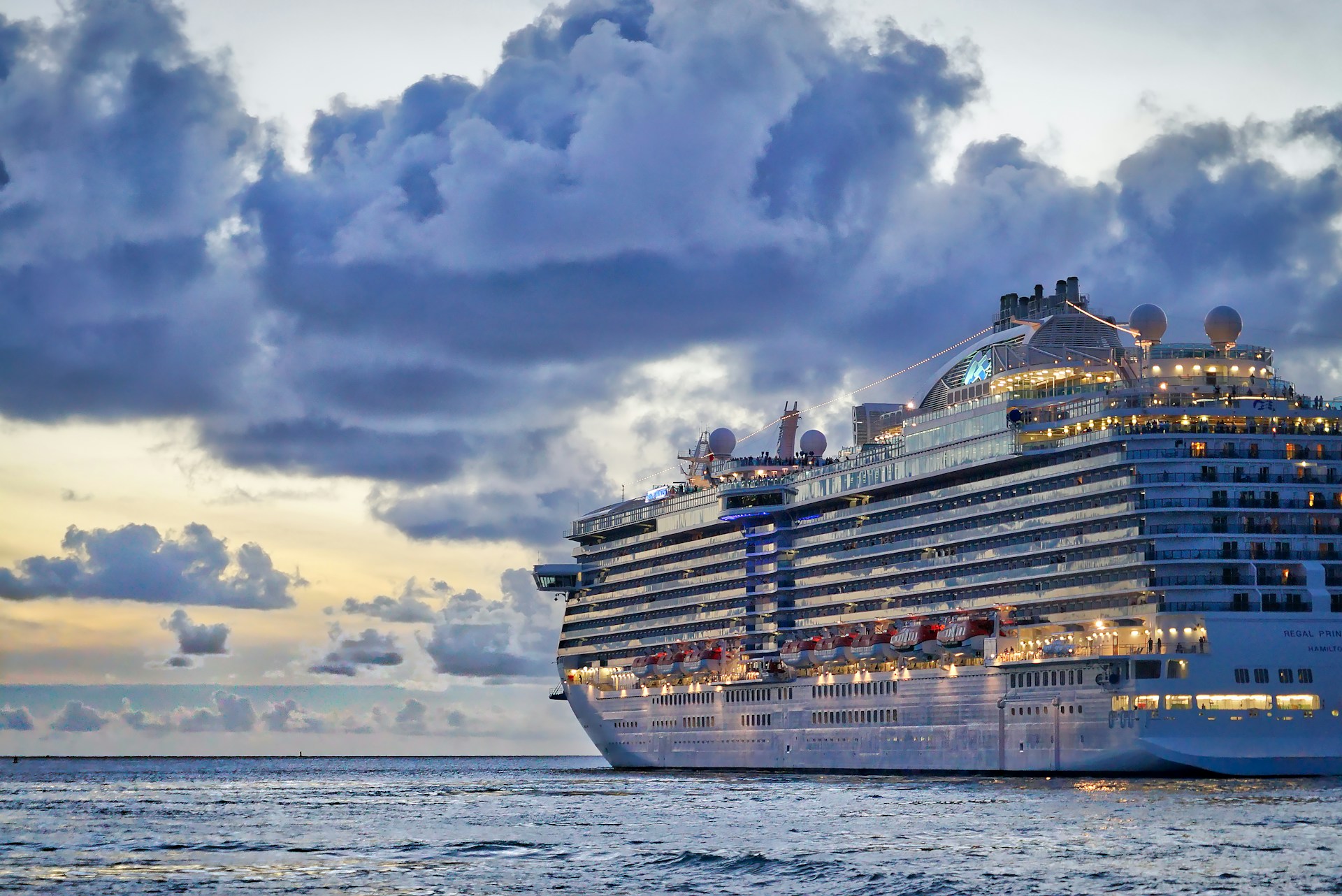
PASSENGER SHIP STRUCTURAL INSPECTION
Depending on accessibility and the agreed scope, structural inspection may include:
shell plating;
weather decks;
bulkheads;
frames;
stiffeners;
brackets;
superstructure;
deckhouses;
machinery foundations;
structural openings;
visible welds;
previous repair areas.
The surveyor may document visible:
corrosion;
coating breakdown;
deformation;
cracking;
buckling;
impact damage;
structural deterioration;
previous repairs;
areas requiring further investigation.

PASSENGER DECKS AND PUBLIC AREAS
Passenger vessels contain extensive accommodation and public areas that may form part of a technical condition survey.
Depending on the assignment, accessible areas may include:
passenger decks;
lounges;
corridors;
stairways;
reception areas;
dining areas;
public spaces;
exterior passenger decks;
access routes;
doors and openings.
The inspection may document apparent:
physical condition;
deterioration;
water damage;
corrosion;
defective finishes;
damaged access arrangements;
other technical deficiencies.

CABINS AND ACCOMMODATION AREAS
Where included within the agreed scope, selected accommodation areas may be inspected for their apparent technical condition.
This can include:
cabins;
crew accommodation;
sanitary spaces;
corridors;
doors;
lighting;
visible ventilation arrangements;
ceilings;
bulkheads;
flooring;
visible signs of leakage or deterioration.
The inspection does not replace statutory accommodation or labour-related inspections performed by competent authorities.

MACHINERY SPACES
Passenger vessels typically rely on extensive propulsion and auxiliary machinery systems.
Accessible machinery spaces may include:
main propulsion machinery;
auxiliary engines;
generators;
pumps;
compressors;
boilers;
heat exchangers;
separators;
steering gear;
fuel systems;
cooling systems;
lubrication systems;
piping;
valves;
electrical equipment.
The surveyor may document visible:
leakage;
corrosion;
maintenance deficiencies;
abnormal external condition;
damaged insulation;
temporary repairs;
housekeeping concerns.
Internal machinery dismantling or performance testing is not automatically included unless specifically agreed.

PROPULSION AND STEERING SYSTEMS
Depending on vessel design and scope, inspection may consider accessible:
propulsion machinery;
reduction gears where fitted;
shaft-related systems;
pod or thruster-related systems where applicable;
steering gear;
hydraulic systems;
rudder-related equipment;
machinery foundations.
External underwater components may require dry-docking or a separately arranged underwater inspection.

BOW AND STERN THRUSTERS
Passenger vessels may rely heavily on manoeuvring systems for frequent port operations.
Where included within the assignment, accessible associated machinery may be reviewed for:
external visible condition;
hydraulic or electrical arrangements;
leakage;
foundation condition;
maintenance condition;
reported defects.
Detailed functional or internal testing should be separately agreed.

ELECTRICAL GENERATION AND DISTRIBUTION
Cruise and passenger ships can have substantial electrical loads from propulsion, hotel services, and passenger systems.
Where relevant to the agreed survey scope, visible inspection may include:
generators;
switchboards;
electrical rooms;
emergency power arrangements;
cabling condition;
electrical equipment spaces;
visible maintenance deficiencies.
Specialist electrical testing is not automatically included within a standard marine survey.

HOTEL AND AUXILIARY SYSTEMS
Passenger ships incorporate extensive auxiliary and hotel-service systems.
Depending on the assignment, accessible systems may include:
HVAC;
freshwater systems;
sanitary systems;
refrigeration equipment;
pumps;
technical service spaces;
galley-related technical systems;
laundry technical spaces;
ventilation equipment
The survey scope should specify clearly which systems require technical assessment.

FIRE SAFETY-RELATED AREAS
Passenger vessels require extensive fire-protection arrangements.
Where relevant to an independent technical survey, visible condition may be reviewed for accessible:
fire doors;
escape routes;
fire stations;
hoses;
hydrants;
portable extinguishers;
visible fixed-system components;
emergency signage;
machinery-space fire arrangements.
This does not replace statutory testing, Flag State surveys or Classification Society verification.

LIFESAVING EQUIPMENT AREAS
Where included within the agreed scope, visible inspection may consider relevant areas associated with:
lifeboats;
rescue boats;
liferafts;
davits;
launching arrangements;
muster areas;
embarkation areas;
access arrangements.
The independent survey records the visible condition only within the agreed scope.
Formal certification remains under the competent statutory or authorised organisations.

EXTERNAL DECKS AND PASSENGER AREAS
Weather-exposed passenger spaces may be inspected for:
deck condition;
corrosion;
railings;
handrails;
access routes;
structural condition;
exterior stairs;
doors;
exposed equipment;
coating condition;
visible water ingress.
Passenger ships often have extensive superstructure and external passenger-deck areas, making these relevant to broader condition surveys.

WATER INGRESS AND LEAKAGE
Passenger accommodation has many concealed spaces and finished surfaces where leakage may show up as secondary symptoms.
The survey may document visible:
water staining;
damaged linings;
wet flooring;
ceiling damage;
corrosion;
leakage around openings;
damaged seals;
persistent moisture.
Further investigation may be recommended where the source is not accessible.

PASSENGER SHIP DAMAGE SURVEY
Passenger vessels may require damage assessment following:
berth contact;
collision;
grounding;
tug contact;
heavy weather;
structural damage;
passenger-area damage;
machinery failure;
equipment failure;
water ingress.
The survey may document:
exact damage location;
dimensions;
deformation;
cracking;
affected structures;
affected equipment;
photographic evidence;
measurements;
temporary repairs;
permanent repairs;
need for further investigation.

PRE-PURCHASE PASSENGER SHIP SURVEY
A pre-purchase inspection can provide prospective buyers with a broader independent technical assessment before acquiring a passenger vessel.
Depending on the scope, inspection may include:
hull structure;
superstructure;
weather decks;
passenger areas;
machinery;
propulsion;
steering systems;
auxiliary systems;
technical spaces;
visible lifesaving-equipment areas;
visible fire-safety arrangements;
previous repairs;
available technical documentation.
Specialist surveys may be recommended for systems outside the agreed general inspection scope.

PORT STATE CONTROL PREPARATION
Passenger ships can face extensive Port State Control scrutiny because of the number of passengers, onboard systems, and safety arrangements involved.
Independent technical preparation may include review of accessible:
vessel condition;
machinery spaces;
passenger areas;
structural deficiencies;
visible safety-related deficiencies;
previous PSC findings;
corrective work;
technical documentation supplied by the client.
PSC PREPARATION & POST-DETENTION SUPPORT
Official PSC inspection, detention decisions and vessel release remain exclusively under the authority of the competent Port State administration.

PASSENGER SHIP SURVEY PROCEDURE
1. VESSEL INFORMATION
The client provides the vessel name, IMO number, vessel type, location and required survey.
2. SCOPE DEFINITION
The technical areas and inspection objectives are established.
3. DOCUMENT REVIEW
Relevant vessel drawings, reports and technical records may be reviewed where included.
4. VESSEL ATTENDANCE
The marine surveyor attends the vessel at the agreed Spanish port, terminal, anchorage or shipyard.
5. TECHNICAL INSPECTION
The marine surveyor inspects accessible structures, machinery, passenger areas, and systems included within the scope.
6. PHOTOGRAPHIC DOCUMENTATION
Relevant findings are documented photographically where permitted and practicable.
7. TECHNICAL ASSESSMENT
Observations are considered from a Naval Architecture and Marine Engineering perspective.
8. REPORTING
A professional survey report is prepared where included within the appointment.

PASSENGER SHIP SURVEY REPORT
Depending on the assignment, the report may include:
vessel identification;
IMO number;
passenger vessel type;
year of build;
survey location;
inspection date;
appointing party;
purpose of survey;
inspection scope;
documentation reviewed;
structural observations;
passenger-area observations;
machinery findings;
propulsion observations;
auxiliary-system observations;
photographs;
measurements;
identified defects;
technical findings;
recommendations where appropriate;
additional investigations required;
survey limitations.
The report is adapted to the vessel and specific purpose of the appointment.

ADDITIONAL TECHNICAL INVESTIGATION
Where visual findings require further assessment, additional specialist work may include:
ultrasonic thickness measurements;
non-destructive testing;
underwater inspection;
machinery analysis;
electrical testing;
HVAC assessment;
fire-system specialist inspection;
lifesaving-equipment specialist inspection;
specialist coating assessment;
Classification Society involvement.
Consider these services included only where specifically agreed.
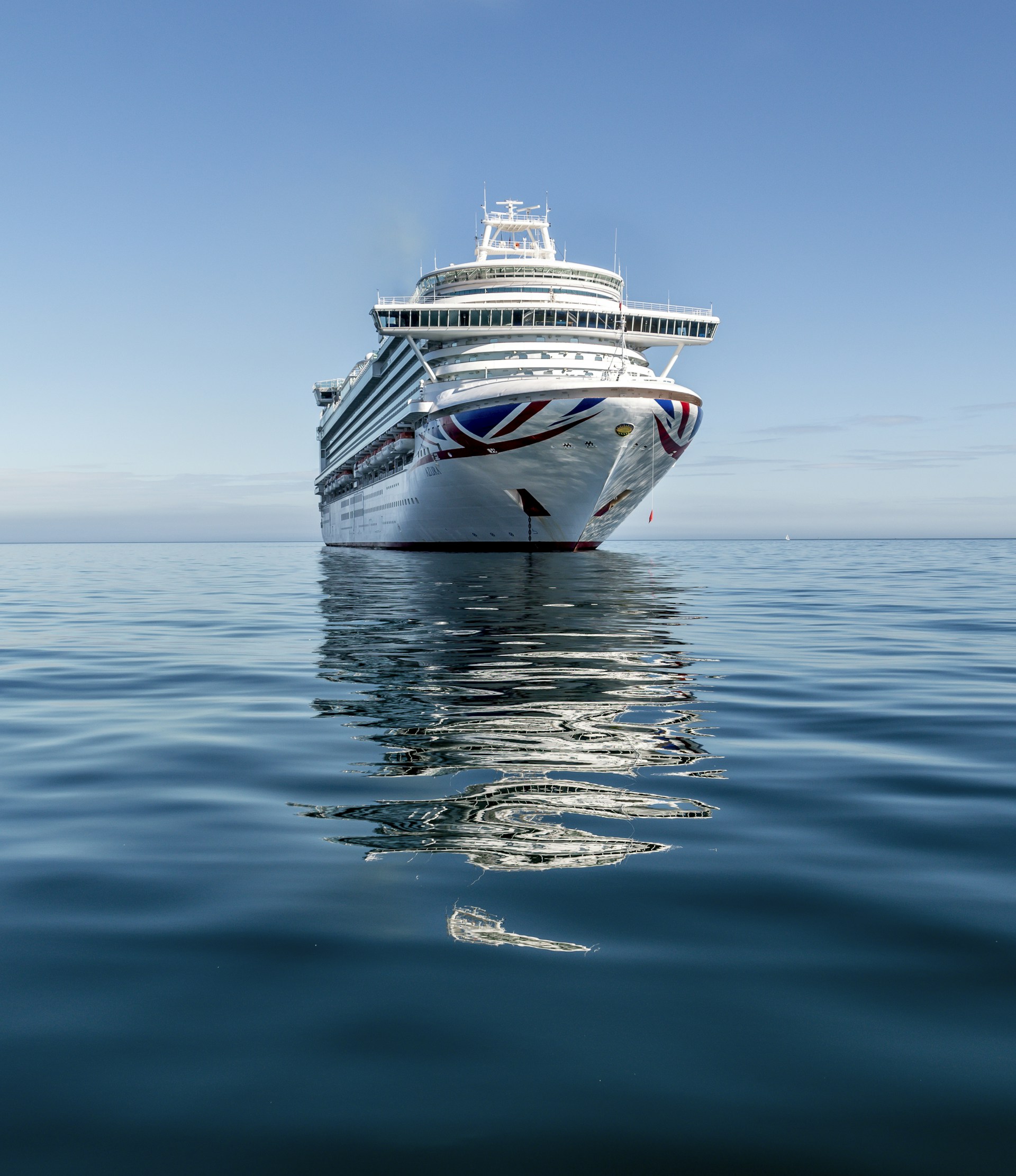
INDEPENDENT SURVEY VS STATUTORY PASSENGER SHIP INSPECTION
VALENCIA Marine Services provides independent marine surveys and technical inspections.
These services do not replace inspections, certification or approvals required from:
Classification Societies;
Flag State administrations;
Port State Control authorities;
authorised lifesaving-equipment service companies;
authorised fire-safety service providers;
other statutory or competent organisations.

PASSENGER SHIPS VS FERRIES & RO-PAX VESSELS
The website deliberately separates these vessel categories.
PASSENGER SHIPS
Primarily covers cruise ships and other passenger-focused vessels.
RO-RO, FERRIES & RO-PAX VESSELS
Covers vessels incorporating substantial vehicle transport, vehicle decks, ramps and Ro-Ro access arrangements, with or without passenger accommodation.
For those vessels:
RO-RO, FERRIES & RO-PAX VESSELS

PASSENGER SHIP SURVEYS AT SPANISH PORTS
VALENCIA Marine Services provides passenger ship survey attendance at major Spanish commercial and passenger ports.
Regular coverage includes:
Valencia • Sagunto • Castellón • Alicante • Cartagena • Tarragona • Barcelona • Algeciras
Attendance at other Spanish ports may also be considered subject to vessel schedule, access arrangements, survey scope and surveyor availability.

WHY APPOINT VALENCIA MARINE SERVICES?
PASSENGER-VESSEL-SPECIFIC APPROACH
The survey is adapted to the structures, machinery, accommodation and technical systems typical of passenger vessels.
NAVAL ARCHITECTURE & MARINE ENGINEERING
We assess structural and machinery observations from an engineering perspective.
INDEPENDENT TECHNICAL ASSESSMENT
Findings are based on the accessible condition observed and the agreed survey scope.
COMPLEX VESSEL SYSTEMS
Inspection can address multiple technical areas including machinery, propulsion, structure, passenger spaces and auxiliary systems.
PHOTOGRAPHIC DOCUMENTATION
Relevant findings are supported by photographs where permitted and practicable.
PROFESSIONAL REPORTING
Observed facts, technical findings, recommendations and limitations are clearly distinguished.

EXPERIENCED MARINE SURVEYOR
Carlos Montamarta is a Naval Architect & Marine Engineer with more than 20 years of professional experience in marine surveying and ship inspection.
His assignments combine extensive practical vessel inspection experience with technical expertise in ship structures, marine machinery, propulsion systems, marine engineering, damage assessment and professional technical reporting.
Professional marine surveying services are provided through VALENCIA Marine Services SLU.
INDEPENDENT • DISCREET • PROFESSIONAL

FREQUENTLY ASKED QUESTIONS
WHAT IS A GAS CARRIER SURVEY?
A gas carrier survey is an independent technical inspection of a gas carrier or selected vessel areas according to an agreed scope.
WHAT TYPES OF PASSENGER SHIPS CAN YOU SURVEY?
Suitable cruise ships, passenger vessels, and other commercial passenger ships may be considered, depending on the required scope and vessel access arrangements.
DO YOU INSPECT CRUISE SHIPS?
Yes. Independent technical surveys can be adapted for cruise ships, including their structural, machinery, and passenger-area arrangements.
CAN YOU INSPECT MACHINERY AND PROPULSION SYSTEMS?
Yes. Accessible machinery and propulsion-related systems can be visually inspected according to the assignment.
CAN PASSENGER ACCOMMODATION BE INCLUDED?
Yes. Accessible passenger accommodation and public areas may be inspected where included within the agreed scope.
CAN YOU INSPECT FIRE-SAFETY AND LIFESAVING AREAS?
Visible condition may be included within the independent inspection scope, but statutory testing and certification remain the responsibility of competent or authorised organisations.
DO YOU PERFORM PRE-PURCHASE PASSENGER SHIP SURVEYS?
Yes. A Pre-Purchase Ship Survey can be adapted to passenger and cruise vessels.
CAN YOU INSPECT DAMAGE TO A PASSENGER SHIP?
Yes. Structural, machinery, equipment, and other reported vessel damage may be inspected and documented.
CAN YOU ATTEND A PASSENGER SHIP AT SHORT NOTICE?
Urgent attendance may be considered subject to vessel location, port access, onboard restrictions and surveyor availability.
ARE FERRIES INCLUDED ON THIS PAGE?
Passenger-focused vessels are covered here. Ferries and Ro-Pax vessels with substantial vehicle-deck and Ro-Ro arrangements are covered under the dedicated Ro-Ro, Ferries & Ro-Pax Vessels category.
DOES YOUR SURVEY REPLACE CLASS OR FLAG STATE INSPECTIONS?
No. Independent marine surveys do not replace Classification Society, Flag State, Port State or other statutory inspections.

REQUEST A PASSENGER SHIP SURVEY IN SPAIN
Please provide:
vessel name;
IMO number;
vessel type;
cruise/passenger vessel;
year of build;
current or expected port;
ETA;
required attendance date;
type of survey;
areas or systems requiring inspection;
reported defects or damage where applicable;
photographs where available;
relevant technical documentation;
specific client instructions.
Urgent attendance requests are welcome, subject to surveyor availability.


NEED A MARINE SURVEYOR IN SPAIN?
Independent marine surveying services for shipowners, operators, charterers, insurers and maritime stakeholders throughout Spain.
© 2026 VALENCIA Marine Services SLU · VAT No. ESB06827356 │ Mercantile Registry of Valencia: Volume 11011, Sheet 122, │ Section GNE, Entry 198596
SERVICES
COMMERCIAL VESSELS
CONTACT
VALENCIA Marine Services SLU
Independent marine surveying, vessel inspection, maritime auditing and technical consultancy services for commercial vessels in Spain.
INDEPENDENT • DISCREET • PROFESSIONAL
Marine survey attendance in Spanish ports and shipyards.
Real Club Náutico de Valencia - Camino del Canal 91 - Bloque 3 Local 21 - Valenciac 46024, Spain
Office +34 96 13 050 13
Mobile/WhatsAp: +34 644 70 90 38
Base : Port of Valencia, Spain
Urgent attendance requests are welcome, subject to surveyor availability.