
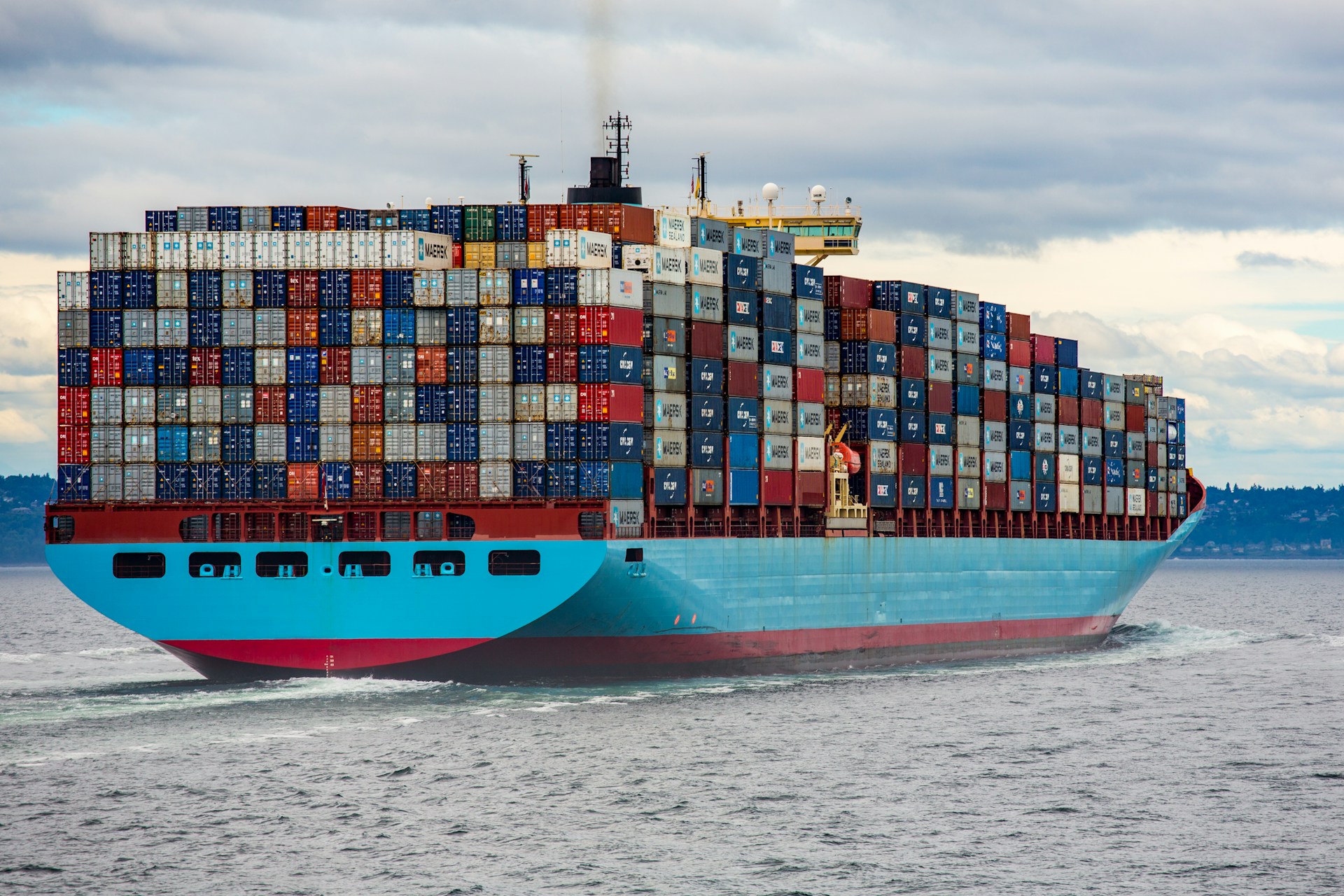
CONTAINER SHIP SURVEY IN SPAIN
Independent marine surveys and technical inspections for container vessels at Spanish commercial ports.
VALENCIA Marine Services provides professional container ship survey services in Spain for shipowners, operators, managers, charterers, insurers, P&I interests, purchasers, and other maritime stakeholders requiring independent technical inspection of container vessels.
Container ships combine large hull structures, extensive weather decks, hatch arrangements, container securing systems, machinery installations and cargo-access areas that require a vessel-specific inspection approach.
Each survey is adapted to the vessel's size, construction, machinery configuration, operational condition, and the appointing client's specific requirements.
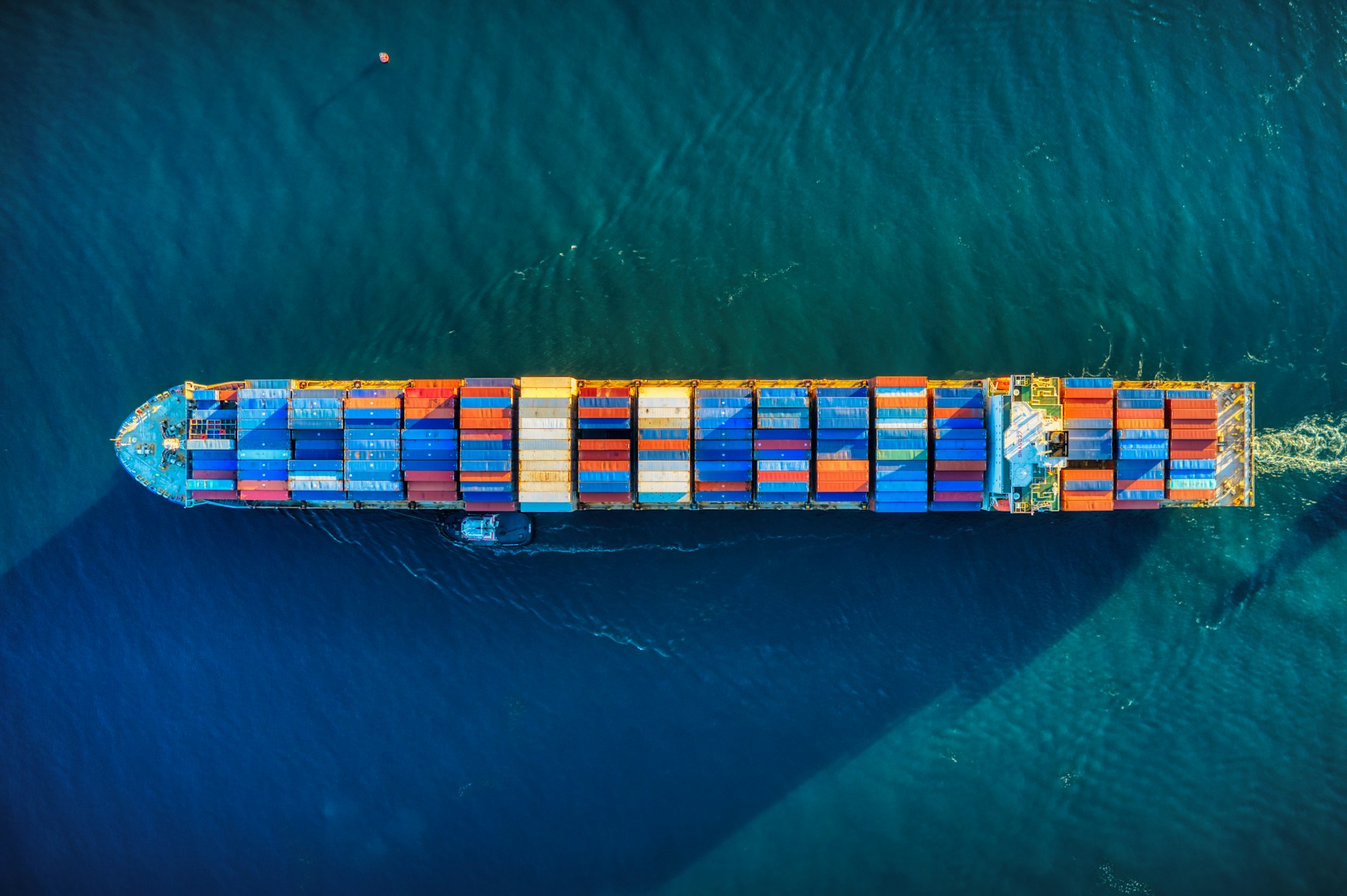
CONTAINER SHIP MARINE SURVEY SERVICES
Depending on the purpose of the appointment, VALENCIA Marine Services can provide different marine survey services for container ships.
SHIP CONDITION SURVEY
Independent assessment of the apparent condition of the vessel, including accessible hull structures, weather decks, machinery spaces, hatch arrangements, cargo-related structures and relevant equipment.
PRE-PURCHASE SHIP SURVEY
Technical inspection for prospective purchasers requiring an independent assessment of a container vessel before acquisition.
ON-HIRE / OFF-HIRE SURVEY
Independent documentation of vessel condition at charter delivery or redelivery, including bunker quantities where requested.
MARINE DAMAGE SURVEY
Independent inspection following collision, berth contact, container-related structural damage, heavy weather, machinery failure or another reported marine casualty.
SHIP INSPECTION
Targeted technical inspection of a particular structure, machinery item, defect, damaged area or repair.
BUNKER SURVEY
Independent measurement and calculation of bunker fuel quantities and Remaining On Board.
PSC PREPARATION & POST-DETENTION SUPPORT
Pre-PSC readiness inspections, deficiency review, corrective-work follow-up and technical preparation for official Port State Control reinspection.

CONTAINER SHIP STRUCTURAL INSPECTION
Container ships are exposed to significant global and local structural loads resulting from vessel size, cargo distribution, hull girder stresses, sea conditions and container operations.
Depending on accessibility and agreed scope, inspection may include:
shell plating;
weather decks;
longitudinal structures;
transverse structures;
bulkheads;
frames;
stiffeners;
brackets;
hatch coamings;
deck openings;
structural foundations;
visible welds;
machinery foundations.
The surveyor may document visible:
corrosion;
coating breakdown;
cracking;
deformation;
buckling;
mechanical impact;
structural damage;
previous repairs;
areas requiring additional investigation.
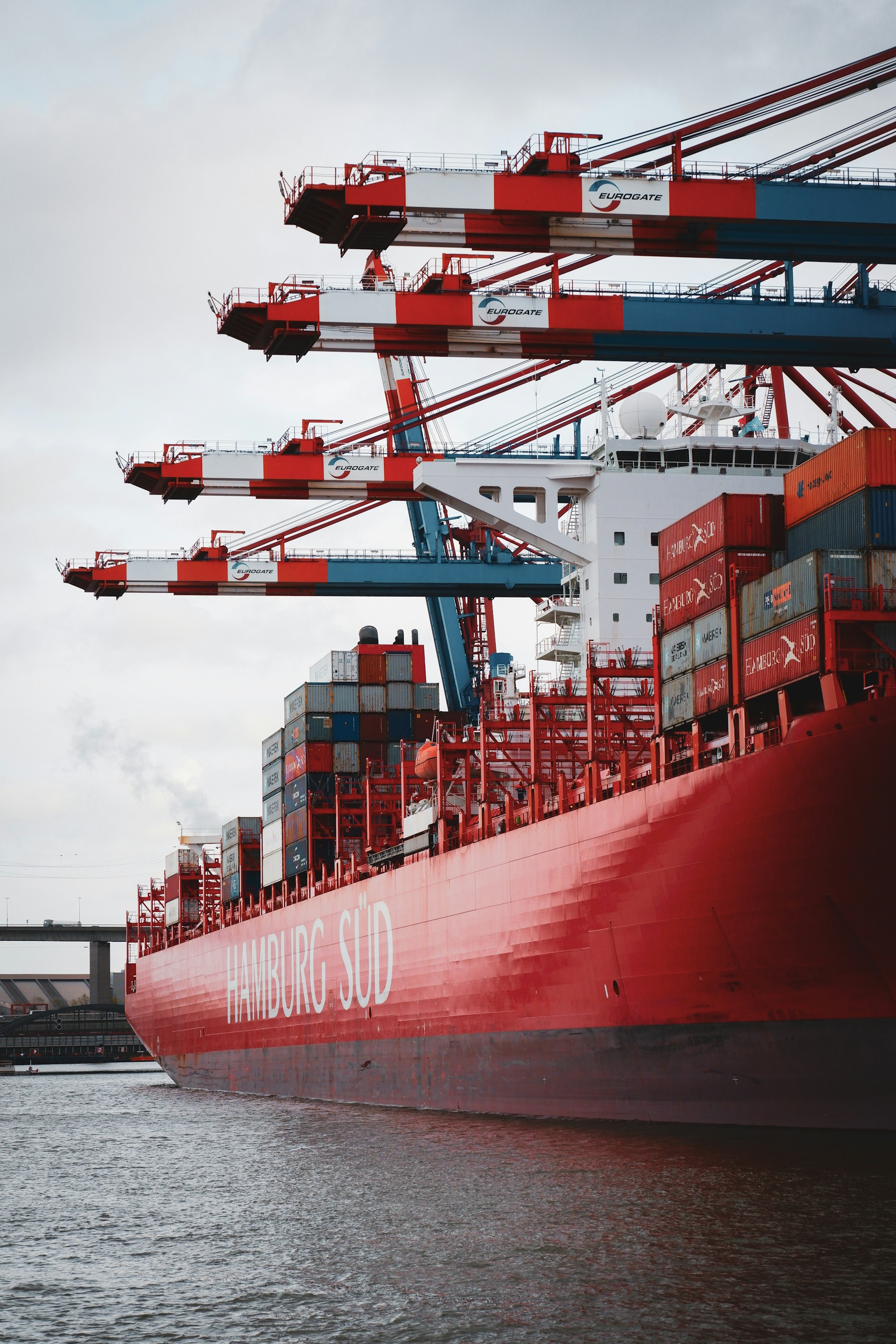
WEATHER DECKS AND CONTAINER STOWAGE AREAS
Weather decks and container stowage arrangements are key inspection areas on container vessels.
The survey may include accessible:
container foundations;
deck sockets
fixed securing fittings;
lashing bridges;
lashing platforms;
walkways;
access routes;
handrails;
deck structures;
hatch-cover surfaces;
supporting structures.
Observations may identify:
damaged fittings;
deformation;
corrosion;
cracking;
missing or damaged components;
unsafe access;
visible repair work.

CELL GUIDES AND CONTAINER GUIDING STRUCTURES
Where safely accessible and within scope, inspect container cell-guide arrangements for visible condition.
Inspection can consider:
cell guides;
guide rails;
supporting brackets;
structural attachments;
deformation;
corrosion;
mechanical damage;
alignment concerns;
visible repairs.
Detailed dimensional alignment surveys should be separately agreed where required.

LASHING BRIDGES AND SECURING STRUCTURES
Container securing arrangements can be particularly exposed to operational loads and mechanical damage.
Visible inspection may include:
lashing bridges;
platforms;
structural supports;
fixed securing fittings;
access ladders;
handrails;
foundation structures.
The surveyor may document deformation, corrosion, cracking or damage where observed.
Include inspection of loose cargo-securing equipment where required.

HATCH COVERS AND HATCH COAMINGS
Where fitted, hatch-cover arrangements may be inspected for visible condition.
The survey may include:
hatch panels;
hatch coamings;
supporting structures;
compression bars;
drainage arrangements;
seals;
hydraulic systems;
operating mechanisms;
container foundations fitted to hatch covers.
Visible deficiencies may include:
corrosion;
deformation;
cracking;
coating deterioration;
damaged seals;
damaged operating components;
mechanical impact.
A standard visual survey does not automatically include watertightness testing.

REEFER CONTAINER AREAS
Where relevant to the assignment, you may inspect visible reefer-container infrastructure.
This may include accessible:
reefer sockets;
electrical distribution points;
cable arrangements;
protective covers;
access platforms;
supporting structures.
Detailed electrical testing is not automatically included unless specifically agreed.
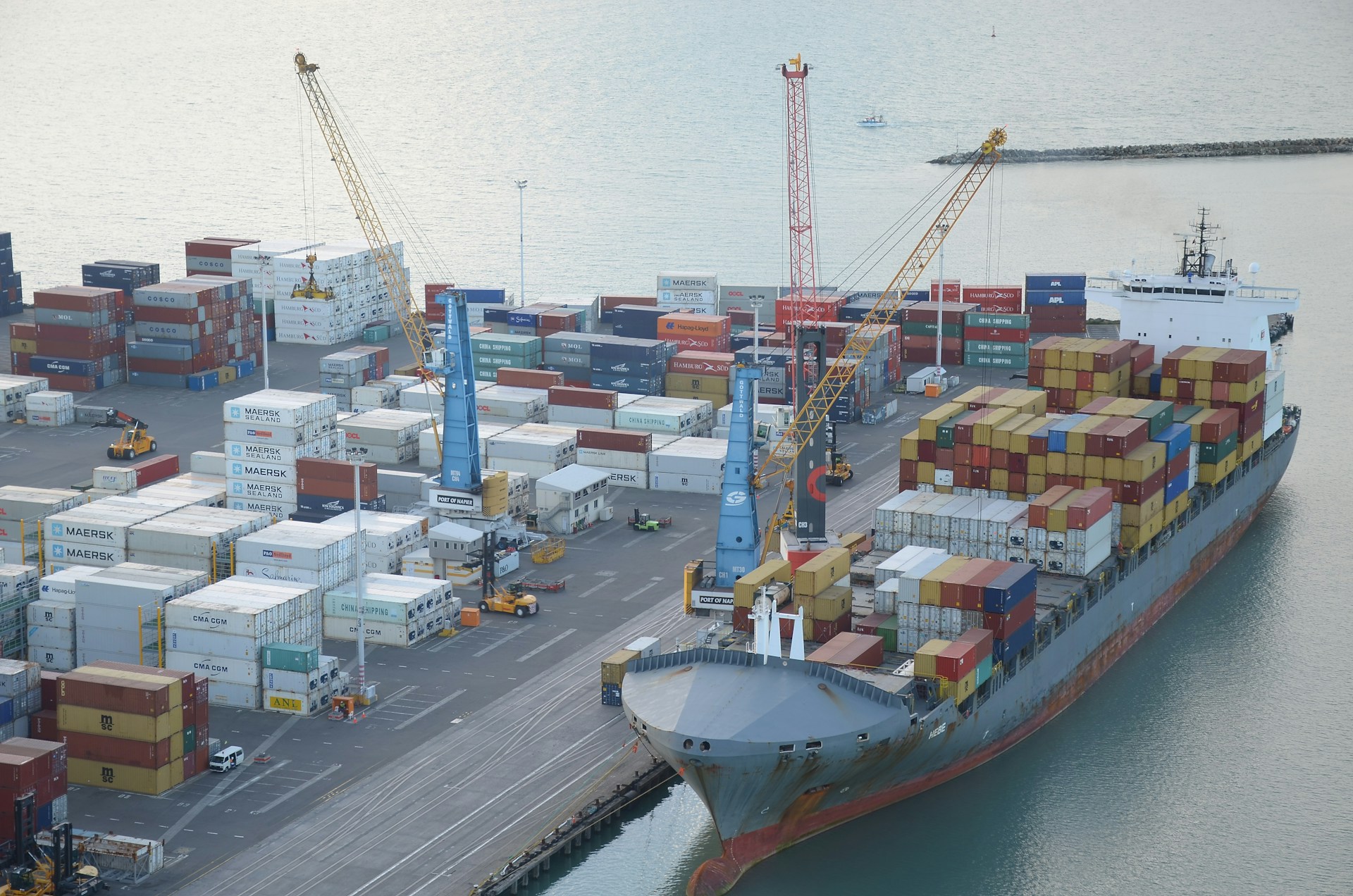
MACHINERY SPACES
Accessible machinery spaces may be inspected according to the purpose of the survey.
Typical areas include:
main engine;
auxiliary engines;
generators;
turbochargers;
pumps;
compressors;
separators;
steering gear;
cooling systems;
fuel systems;
lubrication systems;
piping;
valves;
electrical installations.
Visible observations may address:
leakage;
corrosion;
maintenance condition;
abnormal external condition;
temporary repairs;
damaged insulation;
housekeeping;
apparent machinery deficiencies.
Unless specifically agreed, visual inspection does not involve machinery dismantling or internal examination.

PROPULSION AND STEERING SYSTEMS
Where included within the scope and accessible, inspection may consider:
propulsion machinery;
shaft-related systems;
steering gear;
hydraulic equipment;
rudder arrangements;
machinery foundations;
visible associated piping.
Dry-docking or underwater inspection may be required for external propulsion and steering components.

CONTAINER SHIP DAMAGE SURVEY
Container vessels may suffer damage resulting from:
berth contact;
collision;
grounding;
heavy weather;
container operations;
crane contact;
lashing equipment failure;
machinery failure;
structural loading;
cargo shifting incidents.
Damage surveys can document:
location of damage;
dimensions;
deformation;
cracking;
damaged fittings;
structural relationship;
photographic evidence;
affected adjacent structures;
repairs;
need for further investigation.
For casualty-related assignments:

HEAVY WEATHER AND CONTAINER-RELATED DAMAGE
Heavy weather can affect exposed container vessel structures and securing areas.
Depending on circumstances, inspection may address:
lashing bridges;
securing foundations;
hatch covers;
container stowage areas;
deck structures;
rails;
access arrangements;
damaged equipment;
structural deformation.
Where cargo or containers require investigation, clearly distinguish that scope from the vessel's technical inspection.

PRE-PURCHASE CONTAINER SHIP SURVEY
Prospective purchasers may require a comprehensive technical assessment before acquiring a container vessel.
Depending on vessel condition and accessibility, the survey may include:
hull structures;
weather decks;
container stowage structures;
hatch arrangements;
machinery;
propulsion systems;
steering equipment;
ballast spaces;
visible previous repairs;
vessel documentation.
For the dedicated buyer's service:

BALLAST TANKS AND INTERNAL SPACES
Where specific, safe entry arrangements are provided, inspectors may inspect selected ballast tanks or internal compartments.
Observations may include:
coating condition;
corrosion;
pitting;
frames;
stiffeners;
brackets;
bulkheads;
welds;
visible cracking;
deformation;
previous structural repairs.
Confined-space inspection remains subject to vessel procedures, atmosphere testing, ventilation, lighting and safe access.

ON-HIRE / OFF-HIRE CONTAINER SHIP SURVEYS
Container vessels operating under charter may require condition documentation at delivery or redelivery.
Depending on scope, inspection may record:
weather deck condition;
cargo-related structures;
visible damage;
hatch arrangements;
machinery areas;
deck equipment;
bunker quantities.

PORT STATE CONTROL PREPARATION
Container ships may require independent technical preparation before an official Port State Control inspection or assistance in addressing previously recorded deficiencies.
The service may include:
condition review;
machinery-space inspection;
structural observations;
safety-related visible deficiencies;
previous PSC deficiency review;
rectification follow-up;
preparation for official reinspection.

CONTAINER SHIP SURVEY PROCEDURE
1. VESSEL INFORMATION
The client provides the vessel name, IMO number, location and required survey.
2. DEFINE THE SCOPE
The inspection areas and objectives are established according to the appointment.
3. REVIEW AVAILABLE DOCUMENTATION
The surveyor reviews relevant technical records, plans, or previous reports, if included.
4. VESSEL ATTENDANCE
The marine surveyor attends the container vessel at the agreed Spanish port, terminal, anchorage or shipyard.
5. TECHNICAL INSPECTION
The marine surveyor examines accessible structures, machinery, and equipment within the scope.
6. PHOTOGRAPHIC DOCUMENTATION
Significant observations are documented photographically where practicable.
7. TECHNICAL ASSESSMENT
Findings are assessed from a Naval Architecture and Marine Engineering perspective.
8. REPORTING
A professional technical report is prepared where included within the assignment.

CONTAINER SHIP SURVEY REPORT
Depending on the assignment, the report may include:
vessel identification;
IMO number;
vessel particulars;
survey date;
location;
appointing party;
purpose of survey;
scope of inspection;
documents reviewed;
structural observations;
deck observations;
cargo securing area observations;
machinery observations;
photographs;
measurements;
identified defects;
technical findings;
recommended further investigation;
survey limitations.
The report is adapted to the specific inspection rather than using a generic format for every container vessel.

ADDITIONAL TECHNICAL INVESTIGATION
Where visual inspection identifies conditions requiring further assessment, additional investigation may include:
ultrasonic thickness measurements;
non-destructive testing;
crack testing;
underwater inspection;
machinery analysis;
hatch-cover testing;
dimensional checking;
specialist electrical inspection;
Classification Society involvement.
Additional investigations are only included where specifically agreed.

INDEPENDENT SURVEY VS CLASS SURVEY
VALENCIA Marine Services provides independent marine surveying and technical inspections.
These services do not replace surveys, certification or approvals required from:
Classification Societies;
Flag State administrations;
Port State Control authorities;
statutory authorities;
authorised specialist service providers.

CONTAINER SHIP SURVEYS AT SPANISH PORTS
VALENCIA Marine Services provides container ship survey attendance at major Spanish commercial ports.
Regular coverage includes:
Valencia • Sagunto • Castellón • Alicante • Cartagena • Tarragona • Barcelona • Algeciras
Attendance at other Spanish ports may be considered subject to vessel schedule, port access, inspection scope and surveyor availability.

WHY APPOINT VALENCIA MARINE SERVICES?
CONTAINER VESSEL-SPECIFIC APPROACH
The survey scope can focus on the structural, machinery, and cargo-related arrangements specific to container vessels.
NAVAL ARCHITECTURE & MARINE ENGINEERING
We assess structural and machinery observations from an engineering perspective.
INDEPENDENT TECHNICAL ASSESSMENT
Findings are based on the accessible condition observed and the agreed appointment.
TARGETED INSPECTIONS
Surveys can focus on general condition, a particular defect, machinery, damage, repairs or a specific structural area.
PHOTOGRAPHIC EVIDENCE
Relevant conditions and deficiencies are documented photographically where practicable.
CLEAR TECHNICAL REPORTING
Factual observations, supporting evidence and technical findings are presented clearly.

EXPERIENCED MARINE SURVEYOR
Carlos Montamarta is a Naval Architect & Marine Engineer with more than 20 years of professional experience in marine surveying and ship inspection.
His assignments combine extensive practical vessel inspection experience with technical expertise in ship structures, marine machinery, container vessel arrangements, damage assessment and technical reporting.
Professional marine surveying services are provided through VALENCIA Marine Services SLU.
FREQUENTLY ASKED QUESTIONS
WHAT IS A CONTAINER SHIP SURVEY?
A container ship survey is an independent technical inspection of a container vessel, or specific areas of the vessel, according to an agreed scope, such as condition, structure, machinery, damage, or repairs.
WHAT AREAS OF A CONTAINER SHIP CAN BE INSPECTED?
Depending on the scope, inspection may include hull structures, weather decks, hatch covers, container-securing structures, cell-guide areas, machinery spaces, ballast tanks, and deck equipment.
CAN YOU INSPECT CONTAINER LASHING BRIDGES?
Yes. We can visually inspect accessible lashing bridges, structural supports, platforms, and fixed securing arrangements when included in the scope.
DO YOU PERFORM PRE-PURCHASE CONTAINER SHIP SURVEYS?
Yes. A Pre-Purchase Ship Survey can be adapted to container vessels and the prospective purchaser's technical requirements.
CAN YOU INSPECT CELL GUIDES?
Accessible cell-guide structures may be inspected for visible deformation, corrosion or damage where included in the assignment.
CAN YOU INSPECT DAMAGE CAUSED DURING CONTAINER OPERATIONS?
Yes. You can document damage to vessel structures or equipment caused by container operations through a technical Ship Inspection or Marine Damage Survey.
CAN BALLAST TANKS BE INCLUDED?
Yes, where specifically requested and where the vessel provides suitable safe-entry arrangements.
DOES THE SURVEY REPLACE A CLASSIFICATION SOCIETY SURVEY?
No. Independent marine surveying does not replace Classification Society, Flag State or statutory inspections.
CAN YOU ATTEND A CONTAINER SHIP AT SHORT NOTICE?
Urgent attendance can be considered subject to vessel location, port access and surveyor availability.
CAN YOU PROVIDE PSC PREPARATION?
Yes. Independent pre-PSC preparation and post-detention technical support can be provided according to the agreed scope.

REQUEST A CONTAINER SHIP SURVEY IN SPAIN
Please provide:
vessel name;
IMO number;
year of build;
container capacity where relevant;
current or expected port;
ETA;
required attendance date;
type of survey;
areas requiring inspection;
reported defects or damage where applicable;
photographs where available;
relevant technical documentation;
specific client instructions.
Urgent attendance requests are welcome, subject to surveyor availability.


NEED A MARINE SURVEYOR IN SPAIN?
Independent marine surveying services for shipowners, operators, charterers, insurers and maritime stakeholders throughout Spain.
© 2026 VALENCIA Marine Services SLU · VAT No. ESB06827356 │ Mercantile Registry of Valencia: Volume 11011, Sheet 122, │ Section GNE, Entry 198596
SERVICES
COMMERCIAL VESSELS
CONTACT
VALENCIA Marine Services SLU
Independent marine surveying, vessel inspection, maritime auditing and technical consultancy services for commercial vessels in Spain.
INDEPENDENT • DISCREET • PROFESSIONAL
Marine survey attendance in Spanish ports and shipyards.
Real Club Náutico de Valencia - Camino del Canal 91 - Bloque 3 Local 21 - Valenciac 46024, Spain
Office +34 96 13 050 13
Mobile/WhatsAp: +34 644 70 90 38
Base : Port of Valencia, Spain
Urgent attendance requests are welcome, subject to surveyor availability.